Skin and Facials
Skin Lesion Removal
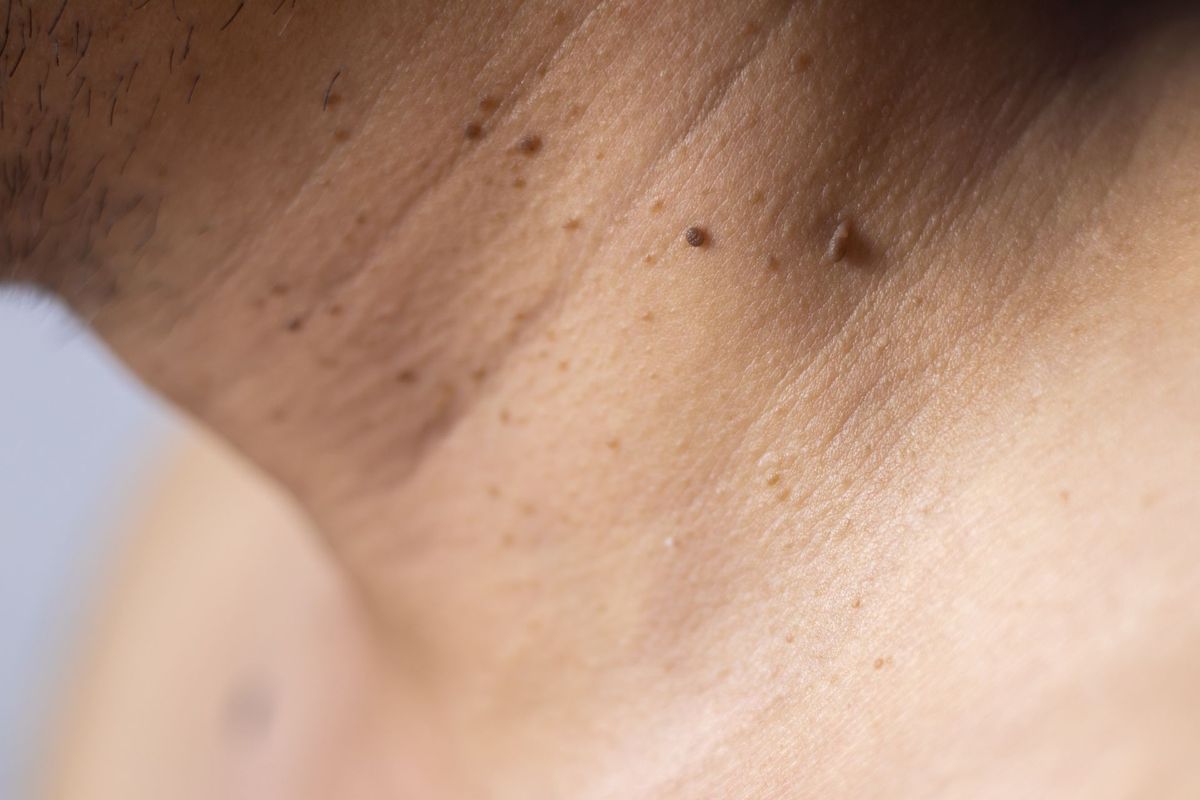
Remove bothersome skin tags, warts, and other benign skin growths quickly and comfortably at Lifeways Integrative Wellness in North Battleford. Our nurse-led medical team assesses every lesion carefully before treatment, so you can feel confident in both your safety and your results.
What Is Skin Lesion Removal?
A skin lesion is any growth or area of skin that looks different from the skin around it. Many lesions are benign, which means they are not cancerous. Even so, they can be unsightly, catch on clothing or jewellery, become irritated, or simply make you feel self-conscious.
Skin lesion removal is a quick, in-office procedure that safely removes these growths, usually in a single visit and with minimal downtime.
Common Lesions We Treat
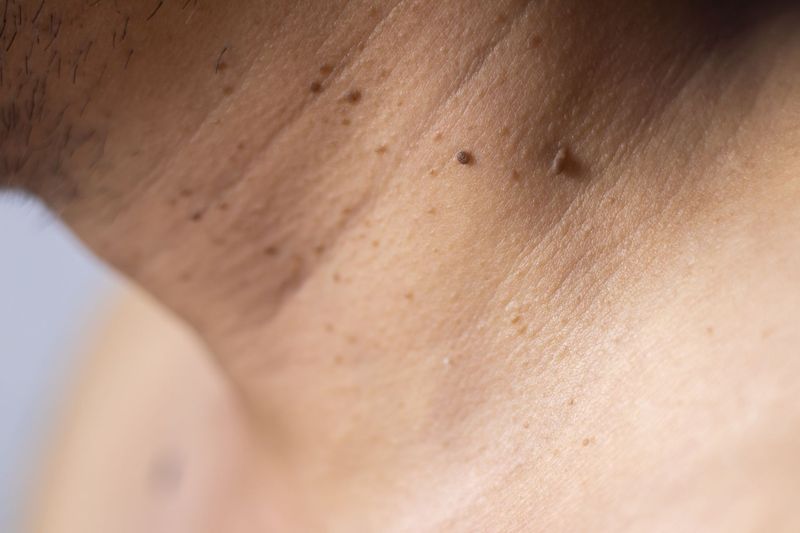
Skin tags
Skin tags are small, soft, flesh-coloured growths that hang from the skin on a thin stalk. They are very common and often appear on the neck, underarms, eyelids, under the breasts, and in the groin. They tend to form where skin rubs against skin or clothing. Skin tags are harmless but can become irritated or bleed when they catch on jewellery or clothing.
Warts
Warts are rough, raised growths caused by the human papillomavirus (HPV). They are common on the hands, fingers, and feet, where they are called plantar warts. Warts are contagious and can spread to other areas of the body or to other people through direct contact. They can be stubborn and may need more than one treatment.
Seborrheic keratoses
These are brown, black, or tan growths with a waxy, “stuck-on” appearance. They are very common with age and are not cancerous.
Cherry angiomas
These are small, bright red, dome-shaped spots made up of tiny blood vessels. They are harmless and become more common with age.
Other benign lesions
We also treat other benign growths, such as milia (small white cysts), sebaceous hyperplasia (small yellowish bumps, often on the face), and dermatosis papulosa nigra (small dark spots common in darker skin tones).
Assessment Comes First
Your safety is our priority. Every lesion is assessed by a medical provider before it is removed. If a lesion has any features that could be a concern, such as a change in size, shape, or colour, irregular borders, bleeding, or rapid growth, we will not remove it for cosmetic reasons. Instead, we will recommend a biopsy or refer you to a physician or dermatologist for further assessment.
How Are Lesions Removed?
We tailor each treatment to the type, size, and location of the lesion.
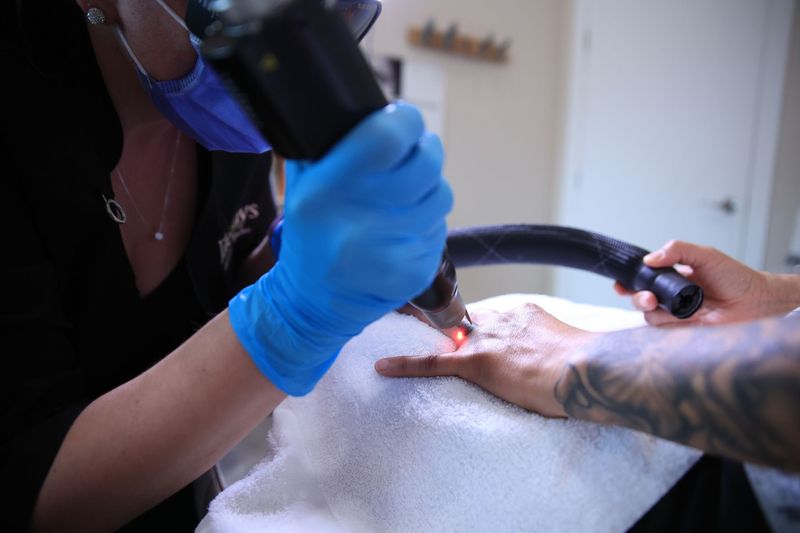
At Lifeways, we use a high-temperature cautery device. A fine, heated tip precisely removes the lesion and seals the skin at the same time, which minimizes bleeding. The treated area forms a small scab that falls off as the skin heals. This method works well for skin tags, warts, seborrheic keratoses, cherry angiomas, and other small benign growths.
Your provider will explain the treatment and what to expect at your consultation.
What to Expect
Consultation
We assess each lesion, review your health history, and discuss your goals and treatment options.
Treatment
Most treatments take just a few minutes. Depending on the method, a numbing cream or local anaesthetic may be used to keep you comfortable.
After Treatment
The treated area may be red, tender, or slightly swollen. A small scab or blister may form, which usually heals within 1 to 2 weeks.
Results
Many lesions are removed in a single visit. Warts and larger lesions may need more than one treatment.
Book Your Consultation
Ready to remove that bothersome skin tag, wart, or growth? Book a consultation at our North Battleford or Saskatoon office to find out which treatment is right for you.
Book onlineFrequently asked questions: Skin Lesion Removal
Does skin lesion removal hurt?
Most clients feel only brief discomfort, such as a quick sting or a feeling of heat. Numbing is used when needed.
Will it leave a scar?
Most lesions heal with little to no visible mark. Some clients may have a small light or dark spot, or a mild scar, especially with larger lesions. Following aftercare instructions helps your skin heal well.
Will the lesion come back?
A treated skin tag or angioma usually does not return, but new ones can form over time. Warts can return because they are caused by a virus, and they may need repeat treatment.
Is there downtime?
Very little. Most people return to normal activities right away.
Can you remove moles?
Moles must be carefully assessed. Any mole with concerning features will be referred for further assessment. Ask us at your consultation.
How should I prepare?
Come with clean skin, free of makeup or lotion on the treatment area. Let us know about any medications you take, including blood thinners.
What’s the aftercare?
Keep the area clean and dry. Apply any ointment as directed, and avoid picking at scabs. Protect the area from the sun as it heals.
Who should not have lesion removal?
We may postpone treatment if you have an active skin infection in the area. Some treatments may not be recommended during pregnancy, or if you have certain medical conditions, such as poor circulation or a bleeding disorder. Any lesion we are unsure about will be referred for further assessment. We review your health history at your consultation.
How much does it cost?
Cost depends on the number, size, and type of lesions treated. We’ll give you a personalized quote at your consultation. Ask about our membership program for credits and savings.